
Net Provence
toutes les infos pour découvrir la Provence
La Provence propose une multitude de plages, calanques, montagnes et réserves naturelles. Dans la cité phocéenne, le parc national des calanques et sa conception géologique unique est un lieu magique. Les gorges du Verdon, situées entre le Var et les Alpes de Haute-Provence, représentent le plus beau canyon du pays et l’endroit idéal pour les sports extrêmes. Les champs de lavande font aussi partie de l’identité de la région.
Villages idylliques
La région est aussi connue pour ses villages atypiques. Il y a évidemment les grandes villes comme Aix-en-Provence, Arles ou la médiévale Avignon. Or, c’est surtout les villages qui valent le détour pour leur beauté et de leur charme. Voici la liste des plus beaux d’entre eux : Gordes, Ménerbes, Roussillon, Lourmarin, l’Isle-sur-la-Sorgue, Ramatuelle,les Baux-de-Provence et Saint-Paul-de-Vence.
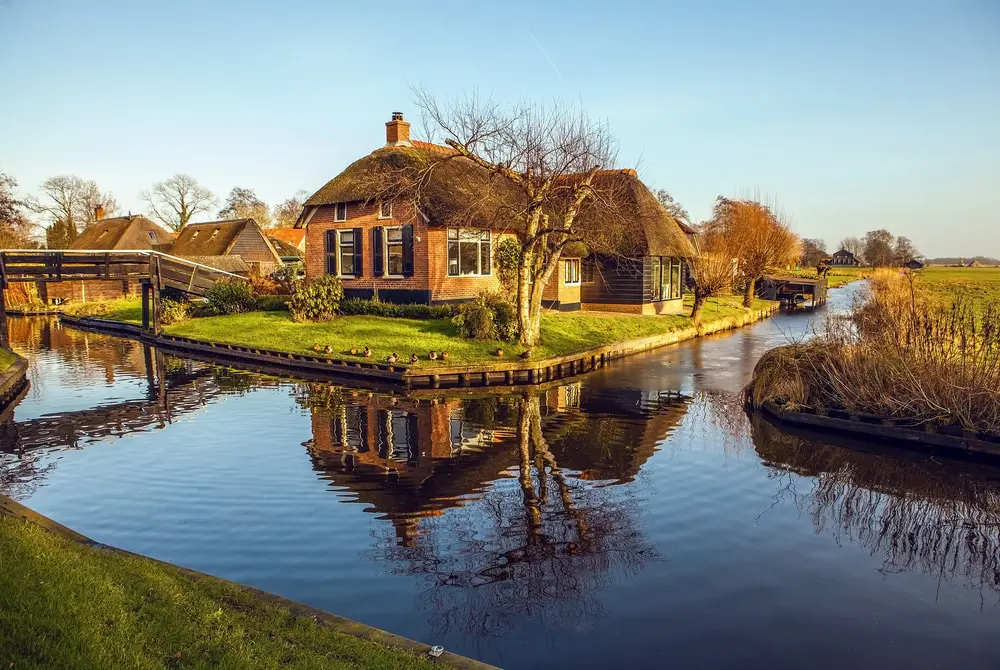
Les plus beaux endroits en Provence
La région borde la mer Méditerranée, offrant de sublimes calanques (entre les villes de Marseille et Cassis), de grandes aiguilles minérales, des eaux émeraude et une nature sauvage d’exception. Côté arrière-pays, la Sainte-Victoire, Luberon, la Provence Verte et le parc de la Camargue sont des immanquables.
Les plus beaux châteaux en Provence
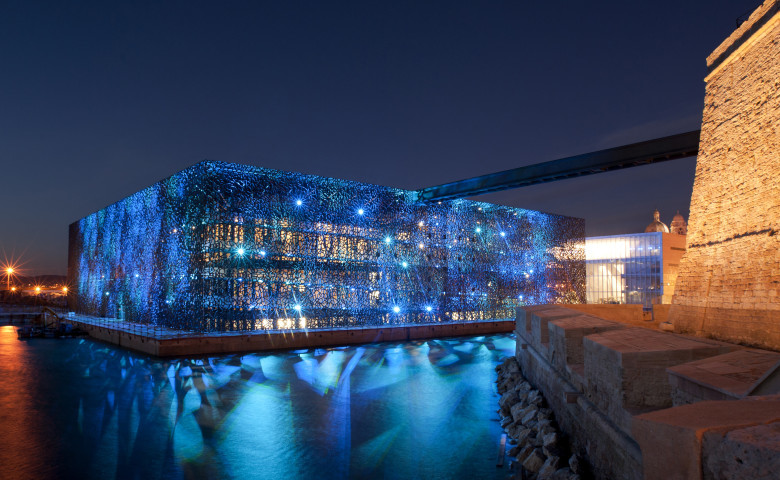
Il n’y a pas que la Loire qui offre de magnifiques châteaux en France. La Provence, outre ses paysages et ses villages, propose une multitude d’édifices. Voici ceux à ne pas louper : Lourmarin, Allemagne en Provence, Entrecasteaux, Sauvan, Baux de Provence, Hyères et Gréoux-les-Bains.
Les plus beaux musées en Provence

Grâce à ses multiples musées, le Vaucluse est le département idéal si vous aimez la culture. Le patrimoine culturel y est extrêmement riche. De l’Antiquité romaine jusqu’à aujourd’hui, immiscez-vous dans l’histoire régionale. Voici quelques noms de musées majeurs situés en PACA : Caumont – Centre d’Art (Hôtel), d’histoire maritime (Citadelle de Saint-Tropez), départemental d’Arles, Picasso (Antibes), Renoir (Cagnes-sur-mer) et Granet (Aix-en-Provence)
Les plus beaux musées en Provence
Pour un séjour en amoureux inoubliable, les options sont multiples en Provence. Une nuit sensuelle à Brignoles, un week-end Love en Cabane Chic à Saint-Maximin-La-Sainte-Baume, une nuit de rêve (et gastronomie) à Cotignac ou encore ma cabane en amoureux à Barjols. N’hésitez pas à profiter de la cité phocéenne, du Vieux-Port, ses calanques, des criques sauvages et du bord de mer avec la Corniche Kennedy.
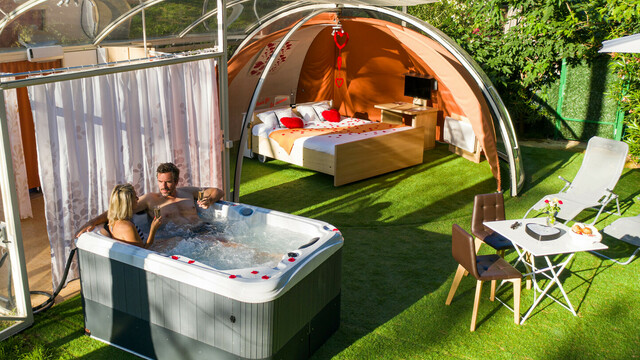

Coquillade Provence, château de Fonscolombe, la Mirande, Hotel Le Negresco, Hyatt Regency Nice Palais de la Méditerranée, Windsor Jungle Art Hotel : voici des lieux parfaits pour passer un séjour romantique en Provence. Village de Cotignac, gorges du Caramy à Tourves, château et village d’Entrecasteaux, dîner aux chandelles à l’Hostellerie de l’abbaye de La Celle et pique-nique en haut du Saint-Pilon avec vue sur la mer : voici plusieurs activités en amoureux possibles dans ce territoire.
Découvrir la Provence en famille


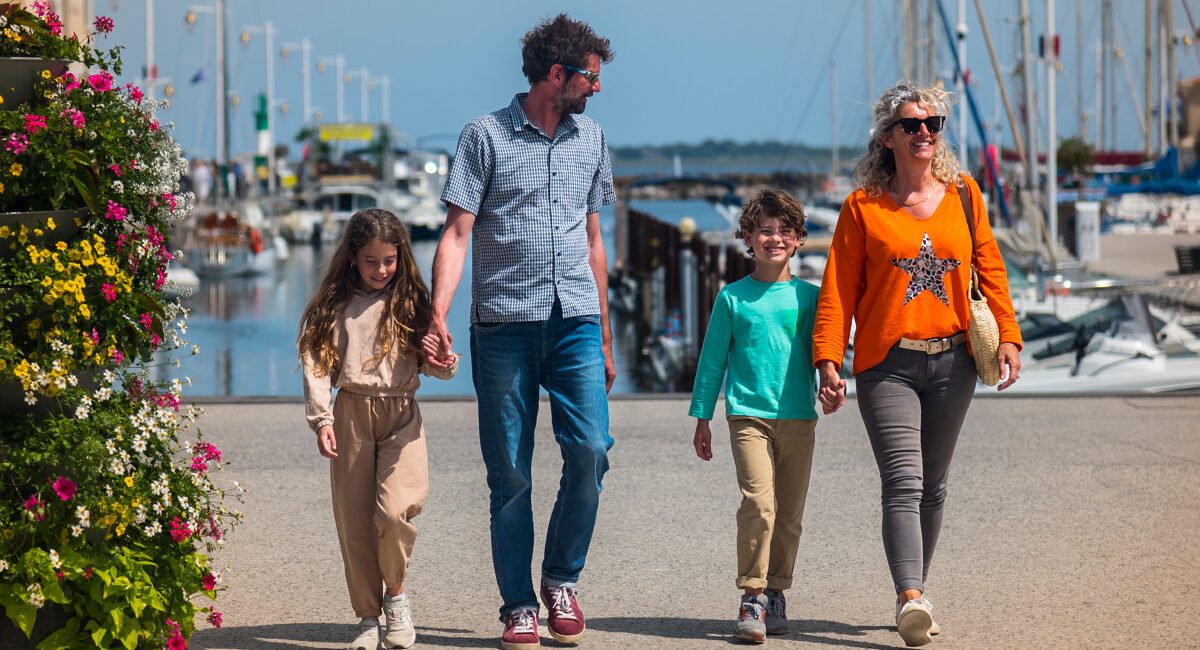
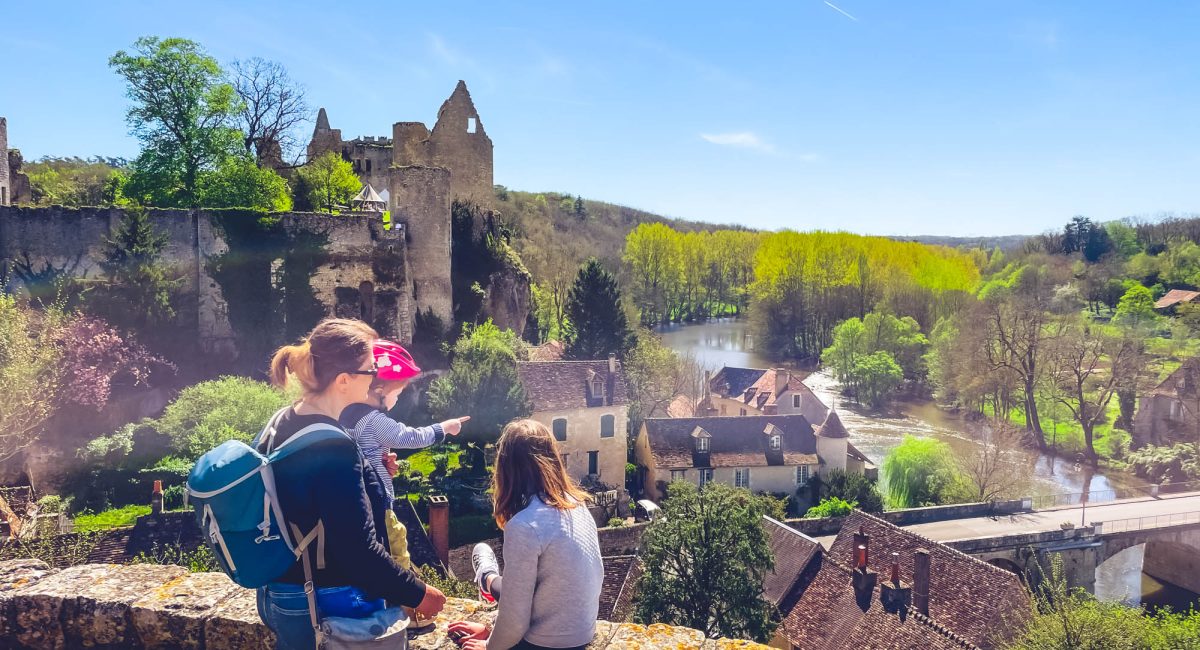

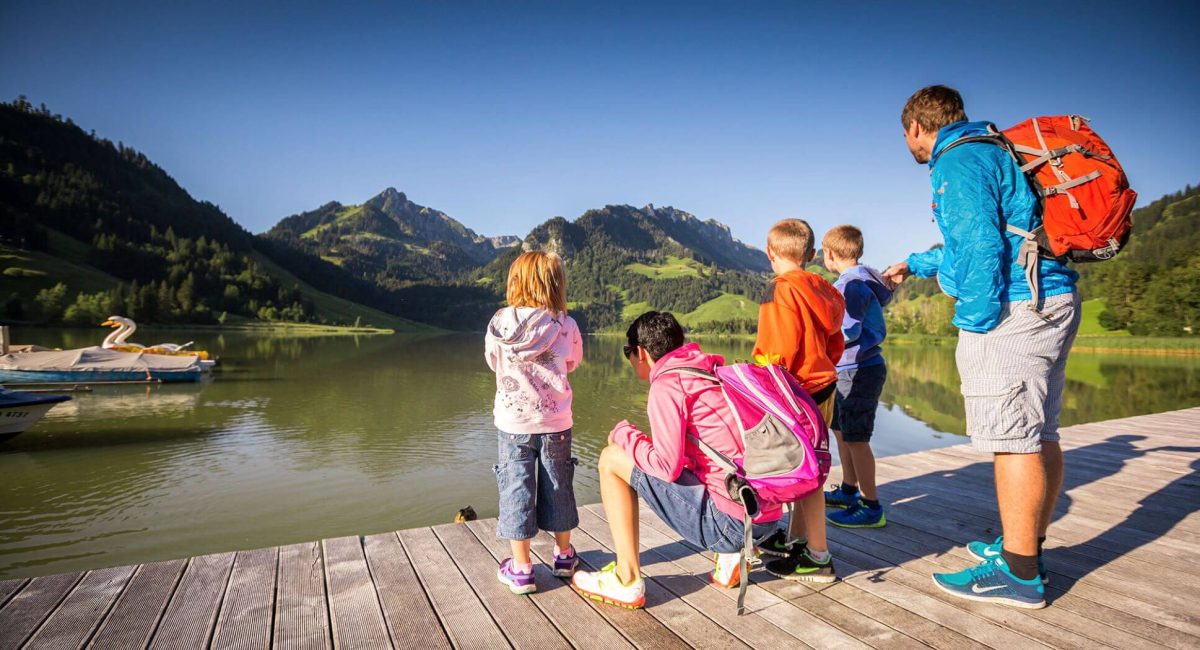


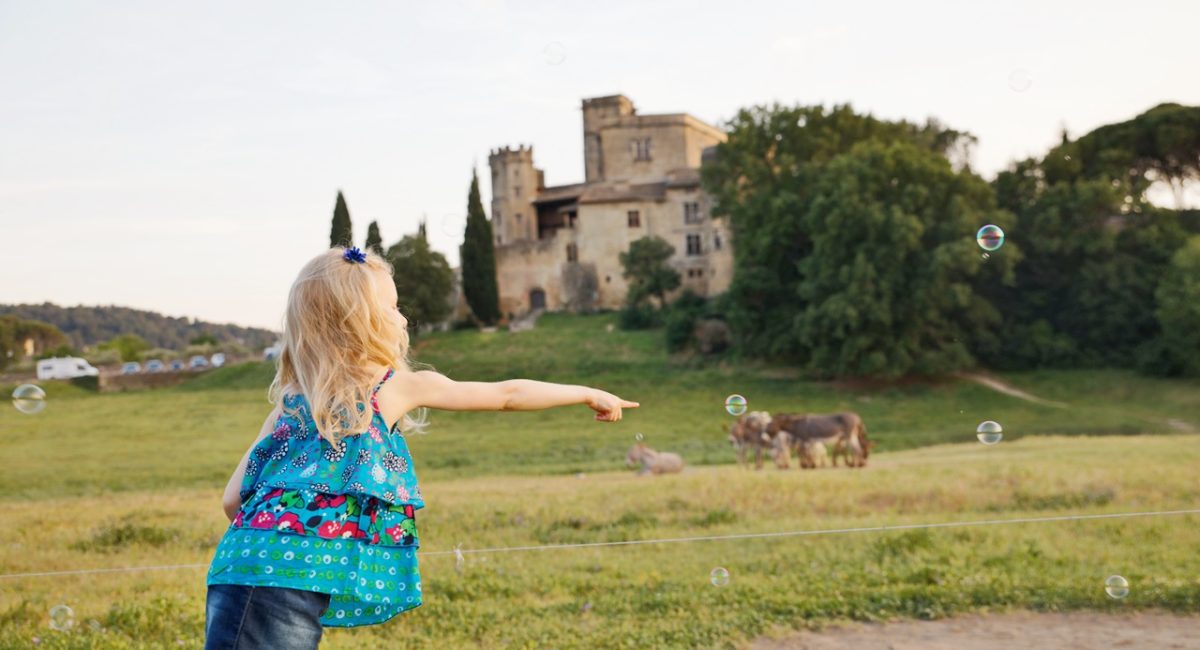
Exploration de la Grotte Bleue dans la cité phocéenne, flâner sur les sublimes plages de Cassis, vol en montgolfière au-dessus du Luberon, découverte de la Camargue et visite du parc ornithologique de Gau : voici des possibilités offertes par la Provence. Les Baux-de-Provence, Hyères, Aubagne, Fréjus, Menton, Gap, La Ciotat, Draguignan ou Salon-de-Provence sont autant de villes provençales pouvant convenir à un séjour familial.
Séminaire en Provence
Marseille, Nice, Toulon, Aix-en-Provence, Avignon, Cannes, Antibes, la Seyne-sur-Mer, Hyères et Fréjus sont les principales villes provençales pouvant accueillir des séminaires. Voici deux lieux recommandés : Airelles Gordes La Bastide (cinq étoiles), Moulin de Vernègues (quatre étoiles), la Bastide Eygalières et le Vallon de Valrugues & Spa. Les jardins de Sainte Maxime, la montagne Sainte-Victoire, les ruelles du vieil Arles et la Camargue en cheval : voici quelques possibilités pour votre séminaire en Provence.
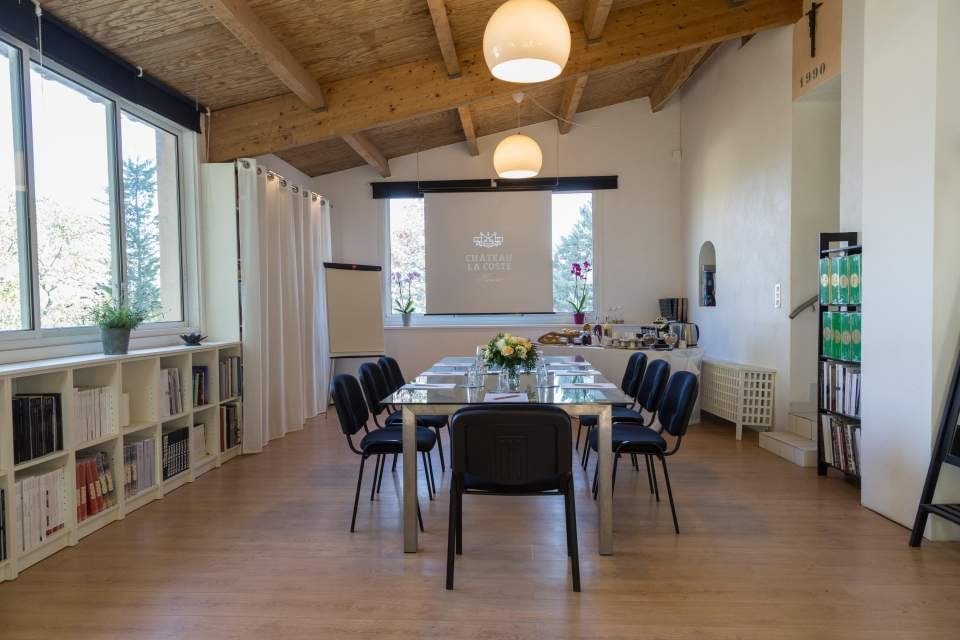
Séminaire à Marseille
La cité phocéenne possède toutes les infrastructures nécessaires pour organiser un séminaire sans fausses notes. Sofitel Marseille Vieux port, Radisson Blu Hotel, Marseille Vieux-Port · Hôtel Ibis Styles Marseille Gare Saint-Charles et Châteauform’ Marseille-Longchamp : voici quatre lieux recommandés pour la tenue de vos séminaires. Le parc Borély, une promenade dans les calanques, le Mucem, les Docks romains, la Friche la Belle et le château d’If représentent des activités idéales.
Séminaire à Aix-en-Provence
Best Western Plus Hôtel de l’Arbois (trois étoiles), Aquabella Hôtel & Spa (quatre étoiles), Mas de Fauchon, Novotel Aix-en-Provence Pont-de-l’Arc Fenouillères et château la Beaumetane : voici plusieurs lieux pour organiser votre séminaire à Aix-en-Provence. Grâce à ses multiples musées, son festival, son terroir, son vignoble, ses ruelles et son architecture, cette ville est idéale pour tenir un séminaire. Ne loupez pas le quartier Mazarin et l’atelier de Cézanne !
Séminaire à Nice
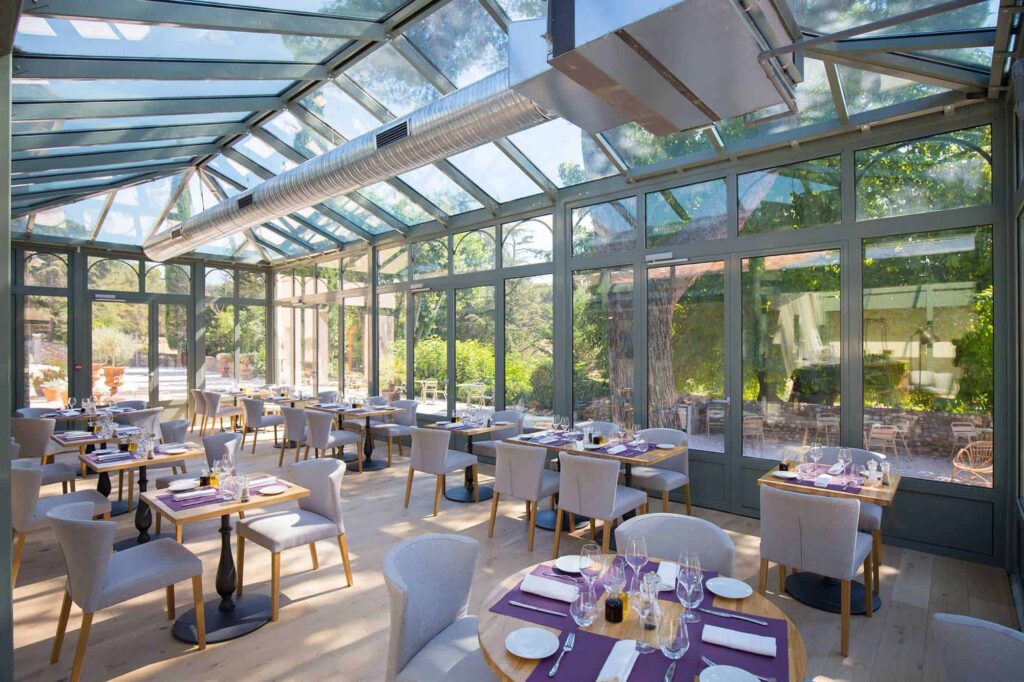
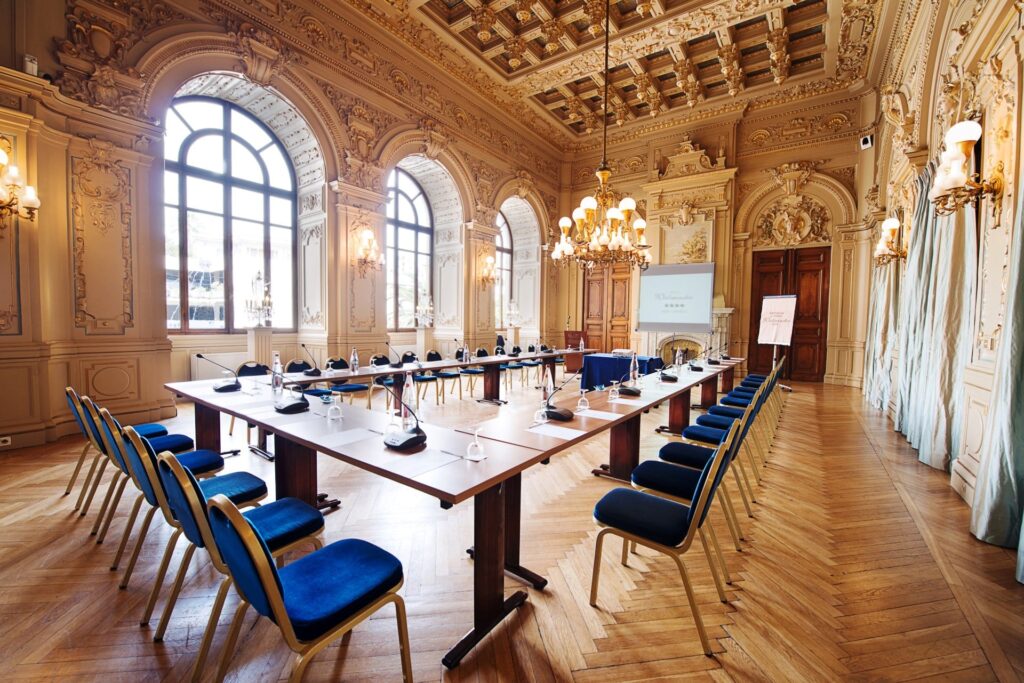
Si vous cherchez un lieu à Nice pour tenir votre séminaire, nous recommandons le Westminster Hôtel et Spa, l’hôtel Le Negresco, le Royal et l’hôtel West End Nice. Côté activités, rendez-vous dans la vieille ville, la colline du château, la promenade des anglais, le musée national Marc Chagall et la promenade du Paillon. Cette ville de plus de 340 000 habitants offre toutes les infrastructures pour votre séminaire.
Contact
Vous souhaitez contacter le groupe net-provence pour obtenir des informations sur la région ? Vous cherchez un hôtel en Provence ? Vous désirez manger dans un restaurant de qualité ? La société net-provence répondra à toutes vos questions par mail, formulaire de contact, tchat en live et téléphone.